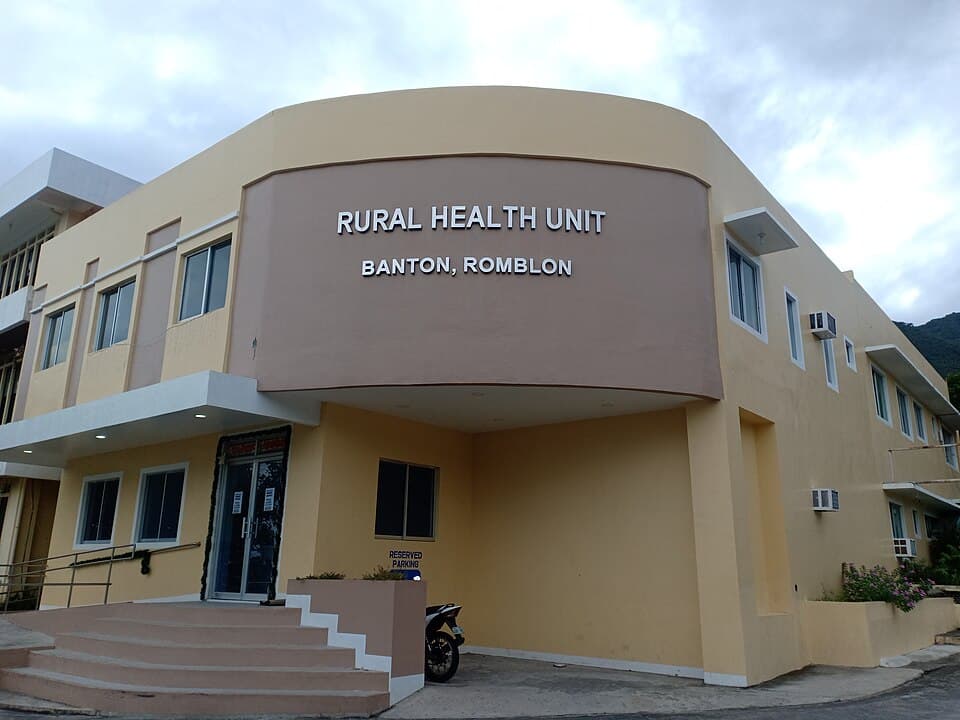

Here is something most patients never see. When a PhilHealth member registers with a city-run primary care provider under PhilHealth's Konsulta package, PhilHealth does not just pay per visit. It pays a fixed amount for each enrolled person, whether that person comes in once, many times or not at all. This payment method is called capitation.
In Bislig, where that money goes is set by a city law. Ordinance No. 2026-10, "An Ordinance Providing Guidelines in the Distribution of Proceeds for the PhilHealth Konsulta Package Capitation," was enacted by the Sangguniang Panlungsod on March 31, 2026, and approved by Mayor Florencio C. Garay on April 14, 2026. It took effect immediately.
It was authored by Councilor Pedrito R. Sulapas, co-authored by Councilor Victor B. Alvar, Jr., and sponsored by Councilors Winston Y. Sia, Romeo F. Cacayan and Reynaldo V. Dominguez, SK Federation President Ana Mae M. Agusa and Vice Mayor Conrad C. Cejoco.
What capitation means
The ordinance describes capitation as a payment where health providers such as rural health units receive a fixed amount in advance to deliver a defined set of services to each registered person for a set period, regardless of the services actually used. It cites the Universal Health Care Act (Republic Act No. 11223) and PhilHealth circulars on the Konsulta package. The ordinance itself refers to the package as both Konsulta and YAKAP.
That design gives the city a reason to enroll more residents and keep them healthy, since the payment depends on how many people are registered, not how many get sick.
The 60-40 split
Every capitation payment from PhilHealth is divided in two.
- 60 percent goes to a city trust fund for facility-based essentials and maintenance and other operating expenses.
- 40 percent is paid out as performance incentives to health workers and staff.
Where the 60 percent goes
The ordinance's table divides this share into two parts. Facility-based essentials (medicines, medical supplies, laboratory needs, co-payments and other Konsulta needs) are labeled 40 percent and cannot be realigned. Maintenance and other operating expenses are labeled 20 percent and can be realigned.
Within the operating expenses, the largest slice, 45 percent, goes to barangay health workers. The rest is split among administrative costs (30 percent), capacity building (20 percent) and gender and development (5 percent).
Before spending this share, the City Health Office must prepare an activity design that the Sangguniang Panlungsod and the mayor approve, and it then goes through normal city procurement and audit rules.
Who shares the 40 percent
The incentive pool covers physicians, nurses, midwives, medical technologists, pharmacists, IT staff, encoders, drivers and utility workers. The ordinance sets these shares:
| Group | Share of the incentive pool |
|---|---|
| Field personnel | 44% |
| Physicians | 25% |
| Coordinators | 17.5% |
| Other staff | 5% |
| Dentist | 3.5% |
| Encoders | 3.25% |
| Dental, laboratory and administrative aides | 1.75% |
Inside the field personnel share, 80 percent goes to rural health midwives and other human resources for health, based on accomplishment in each zone. Shares for doctors, midwives and encoders depend on what each of the city's three health zones earned from PhilHealth. The City Health Officer and the Assistant City Health Officer each receive half of a physician's share per zone.
How it is paid
Incentives are released only after PhilHealth releases the capitation, through the regular city payroll and subject to Commission on Audit rules. The City Health Officer submits the certified list of eligible workers to the Local Health Board.
So the next time you register at a Bislig city health center, part of what PhilHealth pays for you ends up as medicines and supplies, and part as a reward for the health workers and barangay health workers who serve your area.
Source: City of Bislig, Sangguniang Panlungsod Ordinance No. 2026-10 (enacted March 31, 2026; approved April 14, 2026), published on the city's Ordinances 2026 page at bislig.gov.ph.