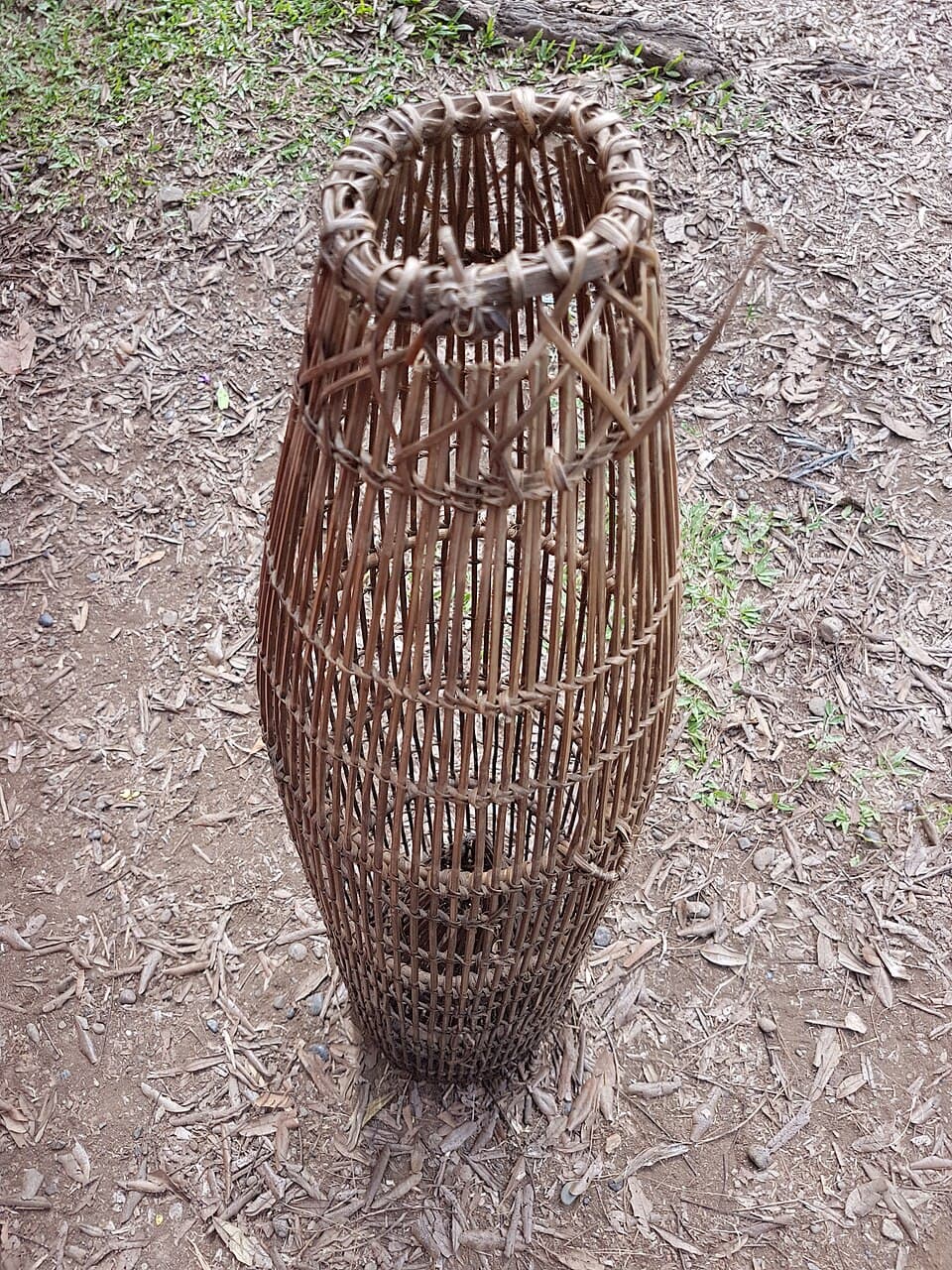

Bislig City is setting out to record its own culture in a systematic way. City Ordinance No. 2026-17, titled the "Bislig City Cultural Mapping and Heritage Documentation Ordinance of 2026," makes cultural mapping a permanent city program, creates a technical working group to run it, and appropriates an initial P5 million.
When it was passed
The Sangguniang Panlungsod enacted the ordinance on July 7, 2026, during its 51st regular session. Mayor Florencio C. Garay approved it on July 16, 2026. It takes effect 15 days after approval and publication.
It was sponsored by Councilor Paul E. Vicencio, together with Councilor Bernadeth May R. Almanon-Balondo, Councilor Apolio Alvar, Liga ng mga Barangay President Eladio A. Galano and Vice Mayor Conrad C. Cejoco.
What cultural mapping means
The ordinance defines cultural mapping as the systematic process of identifying, documenting, recording and analyzing cultural resources and heritage assets within a locality. In its whereas clauses, the council says Bislig has rich tangible and intangible heritage, including historical landmarks, traditions, oral histories, local arts, cultural practices and indigenous knowledge systems, that need proper documentation and preservation.
It cites the National Cultural Heritage Act of 2009 (Republic Act No. 10066) and refers to the Philippine Registry of Cultural Property (PRECUP) kept by the National Commission for Culture and the Arts.
What will be documented
The mapping covers two groups of heritage.
Tangible heritage: historical landmarks, heritage houses and structures, monuments and memorials, religious sites, artifacts and collections, and cultural landscapes.
Intangible heritage: oral traditions and folklore, festivals and rituals, indigenous knowledge systems, traditional crafts and skills, music, dance and performing arts, culinary traditions, and local languages and dialects.
The ordinance also defines Free, Prior and Informed Consent, the consent required from indigenous cultural communities before their traditional knowledge is documented or used, under the Indigenous Peoples' Rights Act.
Who runs it
A Cultural Mapping Technical Working Group (TWG) will oversee the program. The mayor chairs it, the vice mayor is vice chair and the City Tourism Officer is co-chair. Members include the council's committee chairs on tourism and on culture and the arts, the City Planning and Development Coordinator, the City Budget Officer, the City Accountant, the City Information Officer, the Schools Division Superintendent, the Indigenous Peoples Mandatory Representative, the SK Federation President, the Liga ng mga Barangay President, the focal person of the city's Culture and the Arts Unit, the chairs of the Bislig City Tourism Council and the Culture and the Arts Council, a local historian or cultural worker, and a representative of arts and cultural organizations.
The TWG will train mappers, set documentation standards, coordinate with barangays, schools and cultural groups, build and maintain a heritage database and archive, report to the city council, and recommend heritage and cultural tourism policies.
What the city will actually do
The ordinance lists the activities: training workshops on mapping methods, community consultations and validation, field documentation and inventory, photography, video and oral history recording, data processing and archiving, publication of the results, and heritage exhibits and forums.
The P5 million
The initial P5 million can be spent on travel, venues, meals, training materials, honoraria for experts and facilitators, wages of local mappers, printing, data processing, and monitoring. The city may also buy cameras, audio recorders, drones, computers, GPS devices and storage drives, which will stay city property under the City Tourism Office. Future funding is to come from the annual city budget.
How residents can take part
The ordinance specifically encourages barangays, schools, indigenous peoples, cultural workers and youth groups to join the mapping. The TWG must submit annual reports to the Sangguniang Panlungsod and the Office of the Mayor.
Source: City of Bislig, Sangguniang Panlungsod Ordinance No. 2026-17 (enacted July 7, 2026; approved July 16, 2026), published on the city's Ordinances 2026 page at bislig.gov.ph.