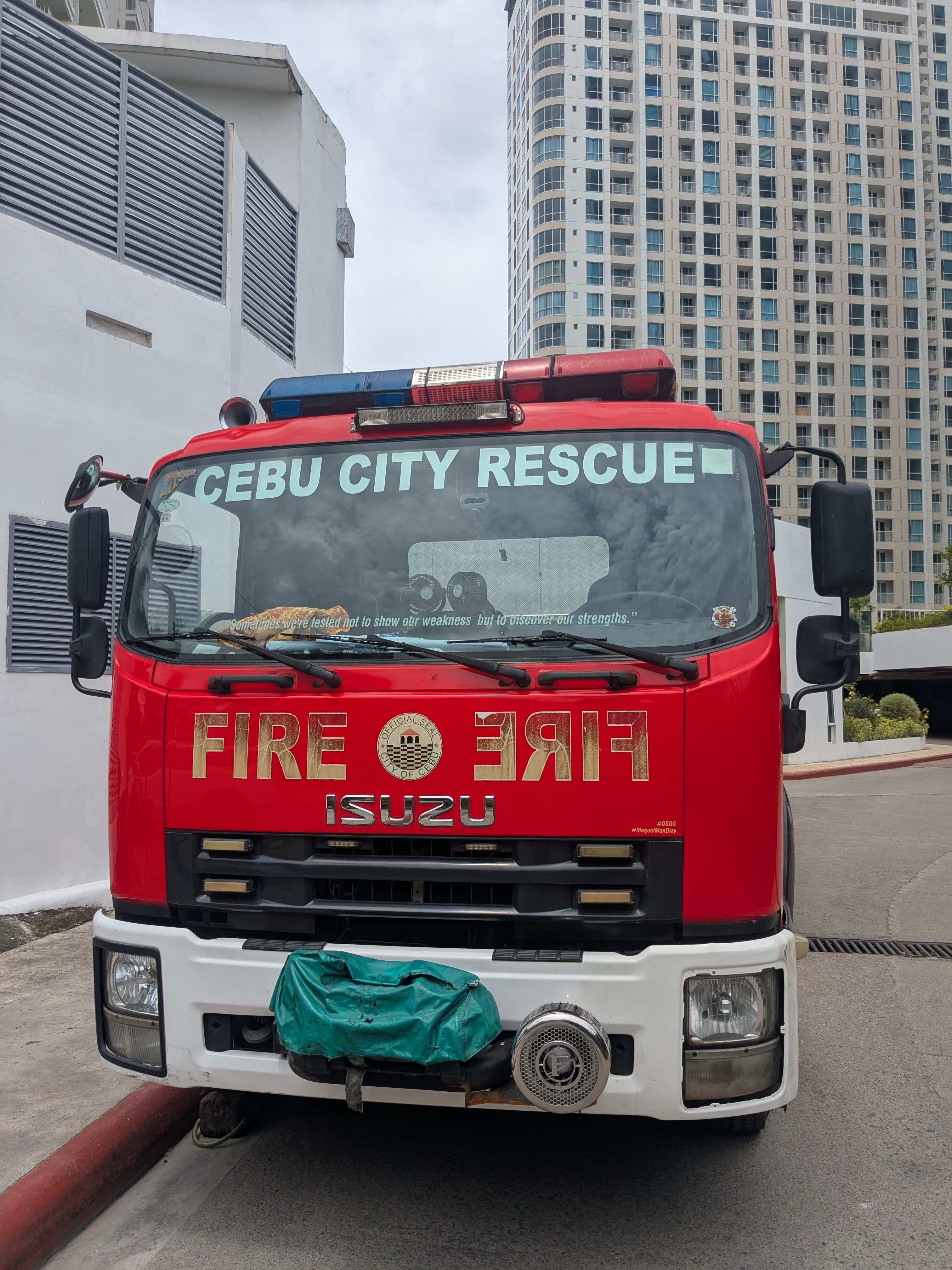

A grass fire reported near Core 1, Barangay Poblacion, on April 22 kept Bislig City's emergency responders working through the night, in what turned into a real-world test of the city's disaster response setup just as national weather authorities raised the alarm on El Niño.
What happened
The fire was first reported on April 22, with its cause still undetermined. The Bureau of Fire Protection (BFP) and the City Disaster Risk Reduction and Management Office (CDRRMO), together with the Motorpool Division, responded and worked through the night into the following dawn to contain it. Because the terrain around the fire's center was difficult to access, responders built a defensive barrier to control which direction the fire could spread rather than attacking it head-on, and used drone surveillance to keep track of the fire's behavior from the air.
Coordination with airport authorities meant fire trucks had a clear, fast route in if the situation had escalated. By April 23, ground assessment found the situation relatively calm, though officials cautioned that hidden fire activity or residual heat beneath the surface could not be ruled out, so monitoring continued rather than stopping the moment visible flames were out.
The matter has since been elevated to the City Planning and Development Office for a closer look at land classification and zoning in the affected area, with the CDRRMO compiling documentation and geo-tagged data to support longer-term mitigation planning.
Why the timing matters
The Core 1 fire happened as the Department of Science and Technology's PAGASA elevated the country's El Niño alert level, signaling a high chance that El Niño conditions develop over the coming months and persist into early 2027. El Niño typically means drier-than-usual weather and prolonged dry spells, conditions that raise fire risk in grassy and forested areas and put pressure on water supply and agriculture.
For a city like Bislig, with significant agricultural and forested land alongside its urban core, that combination is worth paying attention to beyond a single incident.
What residents can do
Local and national agencies are urging basic precautions during the dry stretch ahead: avoid open burning of yard waste or grass near residential areas, report smoke or fire sightings early rather than assuming someone else already has, and be mindful of water use as reservoirs come under more strain. None of it is dramatic, but it is the kind of prevention that keeps a grass fire near Core 1 from becoming something worse.