.jpg)
Bislig City's Disaster Risk Reduction and Management Office (CDRRMO) formally blessed its newly acquired mobile kitchen on May 18, 2026, giving Surigao del Sur its first facility of this kind for emergency food response, according to reports from MindaNews and the Philippine Daily Inquirer.
What the mobile kitchen does
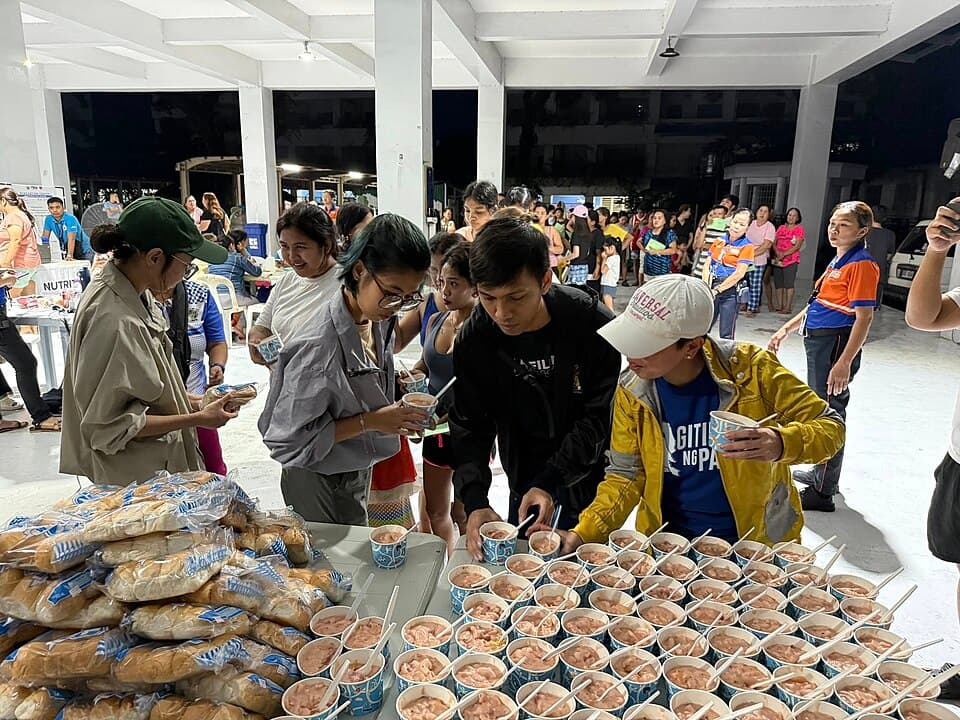
The unit is built to provide immediate hot meals during typhoons, floods, earthquakes, fires, and other disasters. According to CDRRMO Chief Jessril A. Oval, it can serve between 1,000 and 3,000 individuals during relief operations. It comes equipped with an oven, refrigerator, cooking stations, storage compartments, fire extinguishers, and other equipment needed to run a functioning kitchen away from a fixed building.
"The existence of mobile kitchen will bring relief for those victims or people affected by the different types of disasters and calamities as this will provide immediate hot meals for the IDPs or victims of disasters," Oval said.
Instead of depending entirely on a single relief hub or improvised cooking setups at an evacuation site, the mobile kitchen can be moved to wherever displaced residents are gathered, whether that is a school-turned-evacuation-center, a barangay hall, or a temporary camp closer to the affected area.
Why the timing matters
The acquisition follows one of the worst flooding events Bislig City has faced in recent memory. On February 19, 2026, a shear line brought continuous heavy rain that flooded 22 of the city's 24 barangays, including Poblacion, Mangagoy, Pamaypayan, San Roque, Pamanlinan, Bucto, Maharlika, Mone, Comawas, and Tabon. A landslide was also reported in Barangay Tabon, and floodwaters submerged a school and nearby homes in Sitio Mantuyom, Barangay San Roque.
By the time the water receded, 23,651 families, or 91,087 individuals, had been displaced, based on figures reported by MindaNews. Of those, 1,251 families (4,214 people) stayed inside 14 evacuation centers, while the rest sheltered temporarily with relatives or in other safe areas outside formal facilities.
Feeding that many displaced residents over multiple days strains any local government's logistics, particularly getting hot food to evacuation centers spread across a wide, flood-prone city. The mobile kitchen is meant to close that specific gap the next time heavy rain, a typhoon, or another hazard forces large numbers of Bisliganon out of their homes at once.
Part of a broader push
The mobile kitchen adds to a string of disaster-preparedness investments the city has made this year, alongside infrastructure work like the DPWH coastal protection project in Barangay Mangagoy aimed at shielding residents from storm surges. Bislig sits along a coastline exposed to typhoons and has repeatedly dealt with shear-line rains that overwhelm its low-lying barangays, making sustained investment in evacuation and relief capacity a recurring necessity rather than a one-time response.
For residents, the practical upside is straightforward: if another major flooding or disaster event forces evacuation, the city now has a dedicated facility built specifically to keep hot meals coming to evacuation centers, rather than relying only on ad hoc arrangements assembled after the fact.