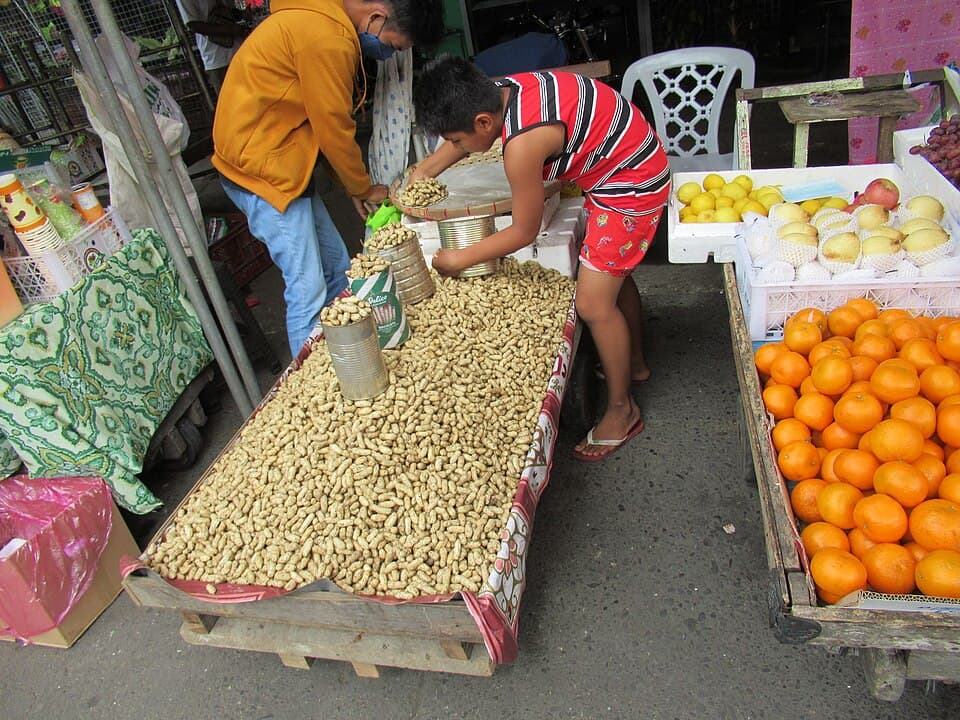

Bislig City has been recognized by the Bangko Sentral ng Pilipinas (BSP) for its rollout of Paleng-QR Ph, the joint BSP and Department of the Interior and Local Government (DILG) program that pushes QR code payments into public markets and local transport. City officials shared how Bislig implemented the program during a regional meeting, according to the Philippine Information Agency.
What the program requires
The local rollout is built on Bislig City Ordinance No. 2024-19, which requires business establishments and transport operators in the city to offer a digital payment option alongside cash. That means a market stall or tricycle operator covered by the ordinance needs to accept QR-based payment, not just bills and coins.
To make the switch worth it financially, the city government paired the mandate with incentives. Participating business establishments get a 2 percent discount on their business tax. Market tenants who sign on get a 1 percent tax discount plus a 1 percent reduction on their stall rental fees.
Rose Lee Cancio, Bislig's ICT Head, said the initiative fits into the city's broader push to become a smart city.
Why it matters for vendors and shoppers
For everyday transactions at the public market, going cashless addresses a few concrete headaches: no more running short on change, less handling of physical cash, and faster checkout when a line of customers is waiting. It also cuts down on the risk of accepting counterfeit bills, a real concern for small vendors who cannot easily verify currency during a busy market morning.
The Department of Information and Communications Technology (DICT) has also been extending Wi-Fi access into market areas, which matters directly here since a stall needs a working internet connection to process a QR payment. Separately, GCash has been providing vendor training to help market operators and small business owners get comfortable with accepting digital payments day to day.
The bigger picture
Paleng-QR Ph is not unique to Bislig. BSP has been pushing the program in local government units nationwide as part of its broader campaign to grow digital payments outside Metro Manila. What stands out about Bislig's version is that it is backed by an actual city ordinance rather than a voluntary pilot, and that the incentives (tax and rental discounts) give vendors a direct financial reason to comply rather than just a compliance requirement to tolerate.
For a city where a large share of daily commerce still runs through the public market and habal-habal and tricycle fares, getting QR payments to actually stick with vendors, not just exist as a rule on paper, will be the real test of whether this program changes how Bisliganon pay for things day to day.