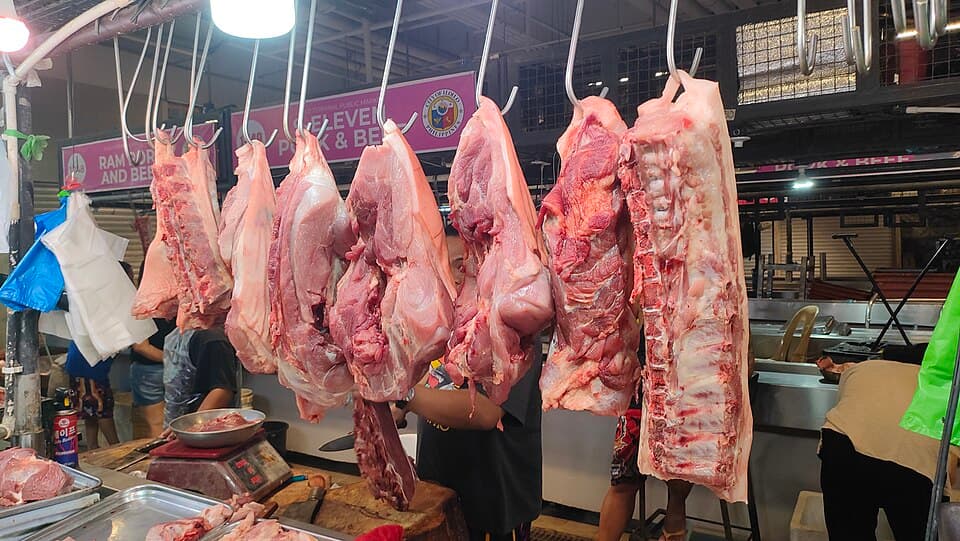

African swine fever (ASF) was detected in pigs brought to the Bislig City Slaughterhouse this year, and the Sangguniang Panlungsod wants to know how it happened and whether the city's response was enough.
What the council's resolution says happened
Resolution No. 2026-708, adopted on August 18, 2026 and authored by Councilor Winston Y. Sia, lays out the sequence. The City Veterinary Office regularly monitors for ASF at the slaughterhouse. On July 21, 2026, city veterinary personnel took pig blood samples and sent them to the Department of Agriculture (DA).
The laboratory result came back one week after the samples were taken. It was positive, and it led to "a prompt temporary one (1)-day lockdown of the facility for emergency cleaning, disinfection, and containment protocols," the resolution says. (The resolution's title refers to the lockdown "on July 21, 2026," while its text places the result a week after that date. Bislig Today is reporting both as written.)
The pigs involved did not come from Bislig farms. According to the resolution, they "originated from Davao, Bukidnon, and General Santos City," which is why the council says "proper monitoring, tracing, and biosecurity measures are necessary."
Why the council called an inquiry
The resolution calls for a legislative inquiry "in aid of legislation." The council says it wants to evaluate:
- the circumstances of how the virus was detected
- where the infected livestock came from
- whether the one-day lockdown was sufficient and effective
- the possible public health and local economic impacts
It also says the inquiry should help it find gaps in local biosecurity ordinances, review quarantine and meat inspection protocols, and pass new rules or set aside money "to safeguard Bislig City's swine industry and consumer welfare." Copies went to the mayor's office, the City Veterinary Office and the DA.
The resolution describes the slaughterhouse as "the primary centralized venue for livestock slaughter and meat inspection in the city," which means meat sold in Bislig's public markets and stores largely passes through it.
Two related council moves the same day
At the same August 18 session, the council adopted two other measures touching the meat supply:
- Resolution No. 2026-690 authorizes Mayor Florencio C. Garay to sign a memorandum of agreement with the National Meat Inspection Service (NMIS) to implement the Meat Establishment Improvement Program in Bislig City.
- Resolution No. 2026-706 asks the City Agriculture Office to submit data on swine production and poultry layer production in the city.
The full texts of these two have not been posted on the city's resolutions page as of October 25, 2026, so their details are not yet public.
Is pork safe to eat?
ASF kills pigs, not people. The World Organisation for Animal Health and the Department of Health have both said ASF is not a threat to human health. When ASF first reached the Philippines in 2019, the DA and DOH advised consumers to buy meat bearing the NMIS inspection stamp from reliable sources and to cook pork thoroughly.
The bigger risk is to hog raisers. ASF has no approved cure, spreads quickly between farms, and outbreaks usually end in culling. That is why backyard raisers are urged to keep pigs away from swill made from outside pork scraps, limit farm visitors, and report sick or dying pigs to the City Veterinary Office right away.
Bislig Today has not found a public report of ASF cases on farms within Bislig this year. We will report the results of the council's inquiry once it is held.
Sources: City of Bislig, Sangguniang Panlungsod Resolution No. 2026-708 (adopted August 18, 2026) and the published titles of Resolution Nos. 2026-690 and 2026-706, at bislig.gov.ph; Department of Health and Department of Agriculture public advisories on ASF (September 2019).