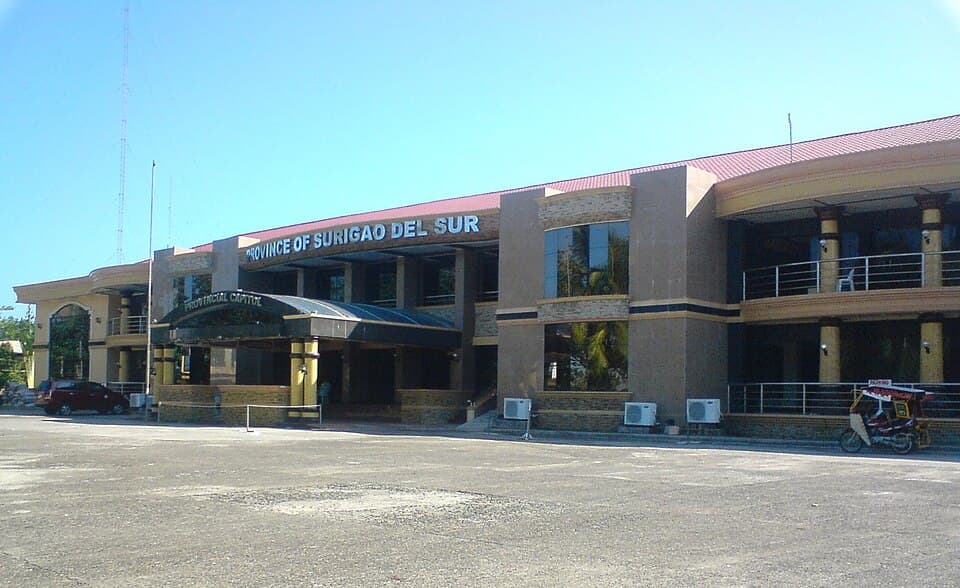

Surigao del Sur's economy grew by 5.2 percent in 2025, according to the Philippine Statistics Authority (PSA). That is slower than the 6.5 percent growth the province posted in 2024, and the details show a split economy: services and manufacturing expanded, while the sectors that employ many of Bislig's farmers and fisherfolk contracted.
The headline numbers
PSA Surigao del Sur Chief Statistical Specialist Ruel Dres presented the figures at the Provincial Product Accounts (PPA) Data Dissemination Forum held on October 8, 2026 in Tandag City, the Philippine Information Agency (PIA) reported on October 19.
- Gross domestic product (GDP): P73.65 billion in 2025
- Growth: 5.2 percent, down from 6.5 percent in 2024
- Per capita GDP: P109,472, up 4.2 percent from the year before
Per capita GDP is the province's total output divided by its population. It is a measure of the size of the economy per person, not of what a typical household actually earns.
Who grew fastest
Three industries led growth in 2025, according to Dres's presentation:
- Human health and social work activities: up 11.9 percent
- Manufacturing: up 9.7 percent
- Education: up 8.8 percent
Who shrank
Agriculture, forestry and fishing contracted by 3.9 percent in 2025. PIA's report said the decline shows "the need for development planners to assess the challenges affecting these industries," including those facing "farmers, fisherfolk, and other stakeholders whose livelihoods depend on these industries."
The PSA figures cover 2025, so they do not reflect this year's El Niño and the contraction cannot be blamed on the current dry spell. But it means the province's farm and fishery sector entered the El Niño period already weaker than a year earlier. Bislig Today has reported on the city council's requests for an El Niño contingency plan and a study on whether rainfed farms should plant palay this season.
What this means for Bislig
The PSA does not publish a separate GDP figure for Bislig. Provincial accounts are the closest official measure of the economy Bislig sits in. As the most populous local government in Surigao del Sur, with 99,290 residents in the 2020 census, Bislig makes up a large share of the province's workers, businesses and consumers.
A few points stand out for local businesses:
- Services are growing. The health and education sectors grew faster than the province as a whole. Bislig's hospitals, clinics, schools and the businesses that supply them operate in the fastest-growing parts of the provincial economy.
- Manufacturing is up. At 9.7 percent, it was the second-fastest growing industry, though the PIA report did not break down which kinds of manufacturing drove it.
- Farm incomes are under pressure. When agriculture and fishing shrink, so does spending by the households that depend on them. That matters to market vendors, sari-sari stores and other businesses that sell to farming and fishing families.
Growth is not the whole story
PIA's report also noted a limit of the data: GDP growth "does not show how income and economic benefits are distributed among households." Other indicators, such as poverty and employment figures, are needed to judge whether growth is reaching ordinary families.
According to PIA, Dres said the value of the figures lies in using them to guide policies and programs that respond to local needs. The PPA data are meant to help local governments, including Bislig's, decide which sectors need support.
Sources: Philippine Information Agency, "PSA reports Surigao Sur's economic growth in 2025," by Nida Grace P. Barcena (October 19, 2026); Philippine Statistics Authority, 2020 Census of Population and Housing, via PhilAtlas.