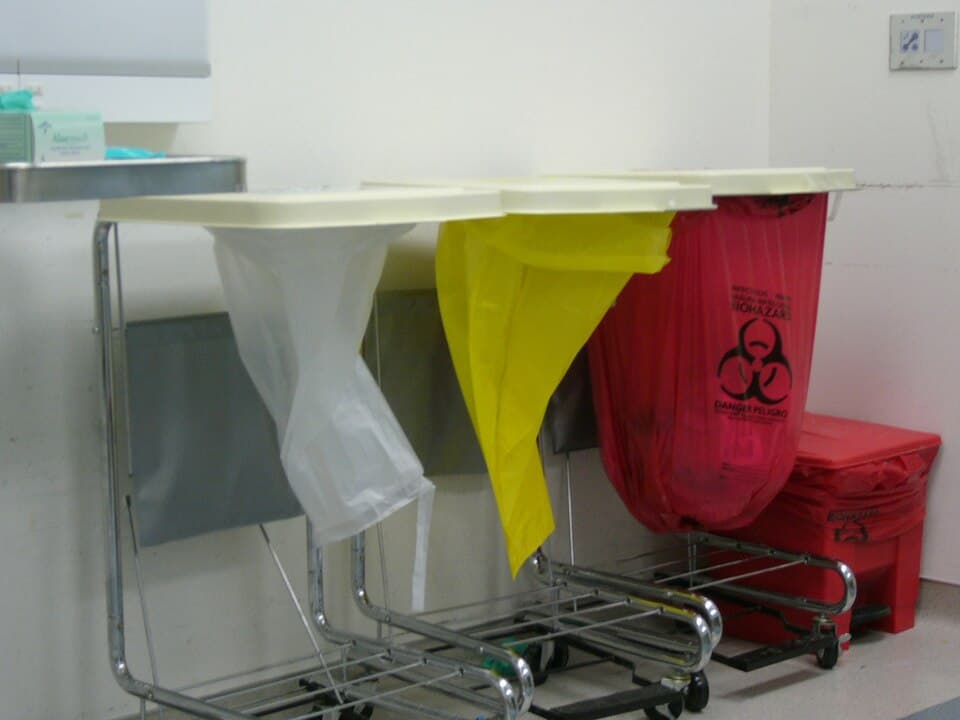

Used syringes, bloodied gauze and lab specimens do not belong in the same garbage truck as kitchen scraps. Bislig's city council now wants proof that the city's hospitals are keeping them apart.
At its 60th regular session on September 8, 2026, the Sangguniang Panlungsod adopted two related resolutions aimed at every public and private hospital operating in the city:
- Resolution No. 2026-755 requests all hospitals "to provide an update on the disposal of their hazardous waste."
- Resolution No. 2026-756 requests all hospitals "to submit data on the volume of hazardous waste collected every week."
Resolution 2026-755 was sponsored by Councilors Pedrito R. Sulapas, Romeo F. Cacayan, Victor B. Alvar Jr., Apolio C. Alvar, Winston Y. Sia, SK Federation President Ana Mae M. Agusa, Indigenous Peoples Representative Florio S. Josafat Jr. and Vice Mayor Conrad C. Cejoco. Councilor Sulapas presided over the session as acting vice mayor.
Why the council is asking
The resolutions cite two national laws. Republic Act No. 9003, the Ecological Solid Waste Management Act of 2000, governs ordinary garbage. Republic Act No. 6969, the Toxic Substances and Hazardous and Nuclear Wastes Control Act of 1990, covers dangerous materials, including the infectious and chemical waste that clinics and hospitals produce.
Resolution 2026-755 says healthcare facilities "generate various types of hazardous healthcare wastes that require proper segregation and disposal," and that the city needs to make sure all hospitals operating within Bislig "properly manage and dispose" of it.
Resolution 2026-756 explains why the council wants numbers, not just assurances. It says monitoring the volume of hazardous healthcare waste is important for "assessing the proper management and disposal of such waste within the City," and that weekly data would "serve as basis for appropriate measures and programs concerning healthcare waste management."
In other words, the council is trying to find out how much of this waste Bislig generates before deciding whether new rules or programs are needed.
The regular trash: a deal with Andres Soriano Memorial Hospital
One week earlier, at its 59th regular session on September 1, 2026, the council adopted Resolution No. 2026-743. It authorizes Mayor Florencio C. Garay to sign a memorandum of agreement with the Andres Soriano Memorial Hospital Cooperative (ASMHC), represented by its medical director, Dr. Angelo L. Dimaano, for "the collection, transport, and proper disposal of non-hazardous solid waste generated by the hospital."
The resolution describes ASMHC as a registered cooperative hospital operating in Bislig. Under the agreement, the city will handle the hospital's ordinary waste. The resolution is explicit that this does not include the dangerous kind: "hazardous and infectious healthcare wastes shall be separately managed in accordance with applicable laws and regulations."
That split is the heart of the issue. Hospitals produce both everyday garbage (food waste, paper, packaging) and hazardous waste (sharps, infectious materials, pharmaceutical and chemical waste). The first can go through the city's normal collection. The second has to be treated and disposed of by facilities and transporters permitted for that purpose.
What this means for residents
For patients and the public, the resolutions do not change anything at the bedside. What they do is put on record that the council expects every hospital in Bislig, government or private, to account for its hazardous waste.
Resolutions of this kind are requests. They do not carry penalties, and neither sets a deadline for the hospitals to reply. As of this writing, Bislig Today has not seen any of the hospitals' responses or the weekly figures the council asked for.
If the data shows gaps, the council's next step could be a city ordinance on healthcare waste, similar to how it recently set rules for junk shops and recycling centers. Bislig Today will report on the hospitals' submissions once they are made public.
Sources: Sangguniang Panlungsod of Bislig Resolution Nos. 2026-743 (adopted September 1, 2026), 2026-755 and 2026-756 (both adopted September 8, 2026), posted on the City Government of Bislig website.