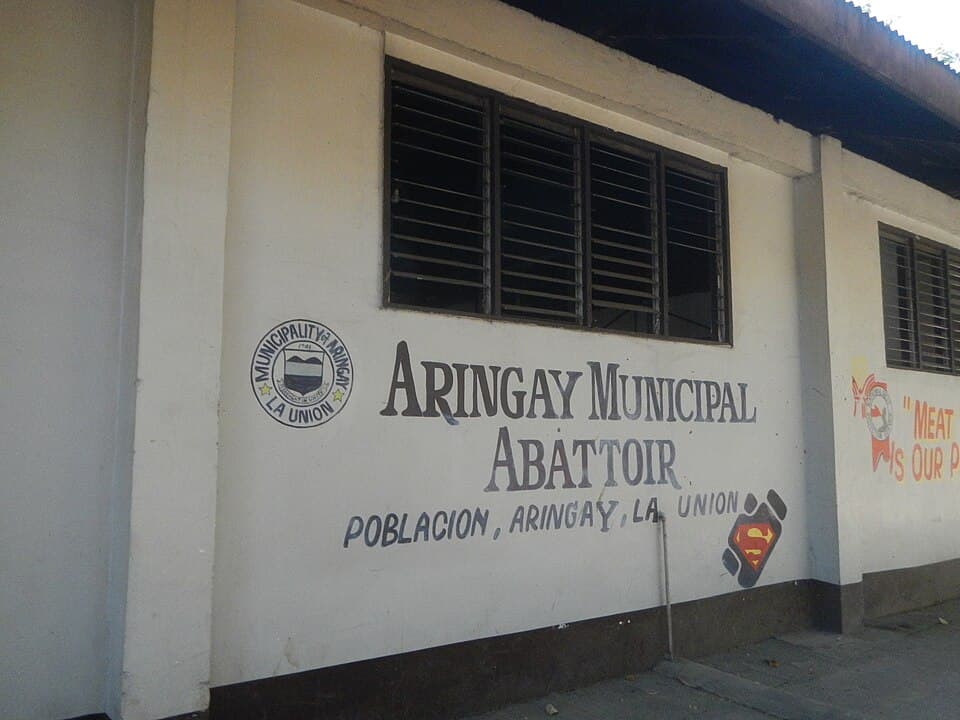

Bislig City wants to replace its slaughterhouse with a new, accredited facility, and it is asking the national government to pay half.
What the resolution asks for
Resolution No. 2026-689, adopted by the Sangguniang Panlungsod on August 18, 2026, during its 57th regular session, formally requests financial assistance from the Department of Agriculture (DA) and the National Meat Inspection Service (NMIS) "for the construction of a slaughterhouse in the City of Bislig under the Meat Establishment Improvement Program (MEIP)."
The resolution was authored by Vice Mayor Conrad C. Cejoco and sponsored by Councilors Victor B. Alvar Jr., Romeo F. Cacayan and Pedrito R. Sulapas, and Liga ng mga Barangay President Eladio A. Galano.
It says the city "recognizes the urgent need to construct a modern, sanitary, and fully equipped slaughterhouse" to meet the needs of a growing population, protect the public against food-borne diseases, and support the local livestock industry "by achieving standard accreditation."
How the program works
The MEIP is an NMIS program that gives local governments technical and financial help to upgrade or build slaughter facilities. According to both the resolution and the NMIS's own program description, it runs on a 50:50 cost-sharing scheme. The local government sources half of the project cost, and NMIS pays the other half from its Meat Inspection Development Trust Fund. NMIS describes the goal as bringing local slaughterhouses up to "AA" accreditation standards.
In the resolution, the city "expresses its profound intent to avail" of the program and commits to setting aside its 50% counterpart in the local budget. The document does not give a project cost, a site, or a timeline. Those would come later, once NMIS evaluates the request.
The legal basis cited is the Meat Inspection Code of the Philippines (Republic Act No. 9296, as amended by Republic Act No. 10536), which sets national rules for the safety and quality of meat from slaughter to sale, and the general welfare powers given to cities under the Local Government Code.
Why the timing matters
The request was adopted at the same session as Resolution No. 2026-708, which called for a legislative inquiry into the one-day lockdown of the Bislig City Slaughterhouse on July 21, 2026, after blood samples from pigs there tested positive for African swine fever (ASF). Bislig Today reported on that inquiry earlier.
ASF has kept the council busy on the hog side of the economy for months:
- Resolution No. 2026-670 (August 11, 2026) asks the City Agriculture Office, working with the Department of Trade and Industry and the DA, to evaluate a reasonable price per kilogram for live hogs bought from Bislig hog raisers.
- Resolution No. 2026-768 (September 15, 2026) authorized the City Veterinary Services Office to make a learning visit to the Municipality of San Miguel, Surigao del Sur, to study its measures for preventing and controlling ASF.
A sanitary, accredited slaughterhouse matters to all of this. It is where meat is inspected before it reaches market stalls, and it is one of the places where disease can be caught early or allowed to spread.
What happens next
The resolution is a request, not an approved project. NMIS still has to evaluate it, and the city still has to fund its half through the budget process. Residents and hog raisers can watch for a slaughterhouse counterpart line when the city's 2027 budget comes before the council.
The full text of Resolution No. 2026-689 is posted on the City Government of Bislig's website under its 2026 resolutions.